September 23, 2026
Navigating custom apparel ordering can feel overwhelming when organizing decorated garments for athletic leagues, corporate events, or branded team wear. While some individuals consider do-it-yourself methods to save resources, home screenprinting attempts often result in uneven ink coverage, blurred design details, ruined blank garments, and premature graphic cracking after washing. Professional commercial manufacturing requires specialized chemical emulsions, heavy mechanical presses, calibrated drying equipment, and technical expertise that home environments simply cannot replicate. Attempting complex garment decoration without industrial equipment frequently leads to wasted materials, delayed schedules, and disappointing visual results for your group.
Partnering with an experienced commercial print facility ensures your custom project receives professional care from initial graphic setup through final garment delivery. Establishing clear project parameters, selecting compatible fabrics, and understanding commercial screenprinting workflows allow organizations to achieve bold visual branding with total peace of mind. Working alongside established industry professionals eliminates the frustration of trial-and-error home printing while guaranteeing long-lasting merchandise. By following strategic collaboration steps, businesses and team managers can streamline their custom apparel orders and achieve polished results across every garment batch.
1. Understand Production Basics
Understanding how commercial production functions helps buyers make informed decisions when planning custom apparel projects. Professional garment decoration transforms digital artwork into durable physical prints through precise stencil preparation and ink deposition. Liquid emulsions apply evenly across tightly stretched screen mesh before exposure units burn clear graphics into the stencil. According to data from the Specialty Graphic Imaging Association, over 30,000 screen printing companies operate across the United States, providing professional decoration services that far exceed amateur home crafting capabilities.
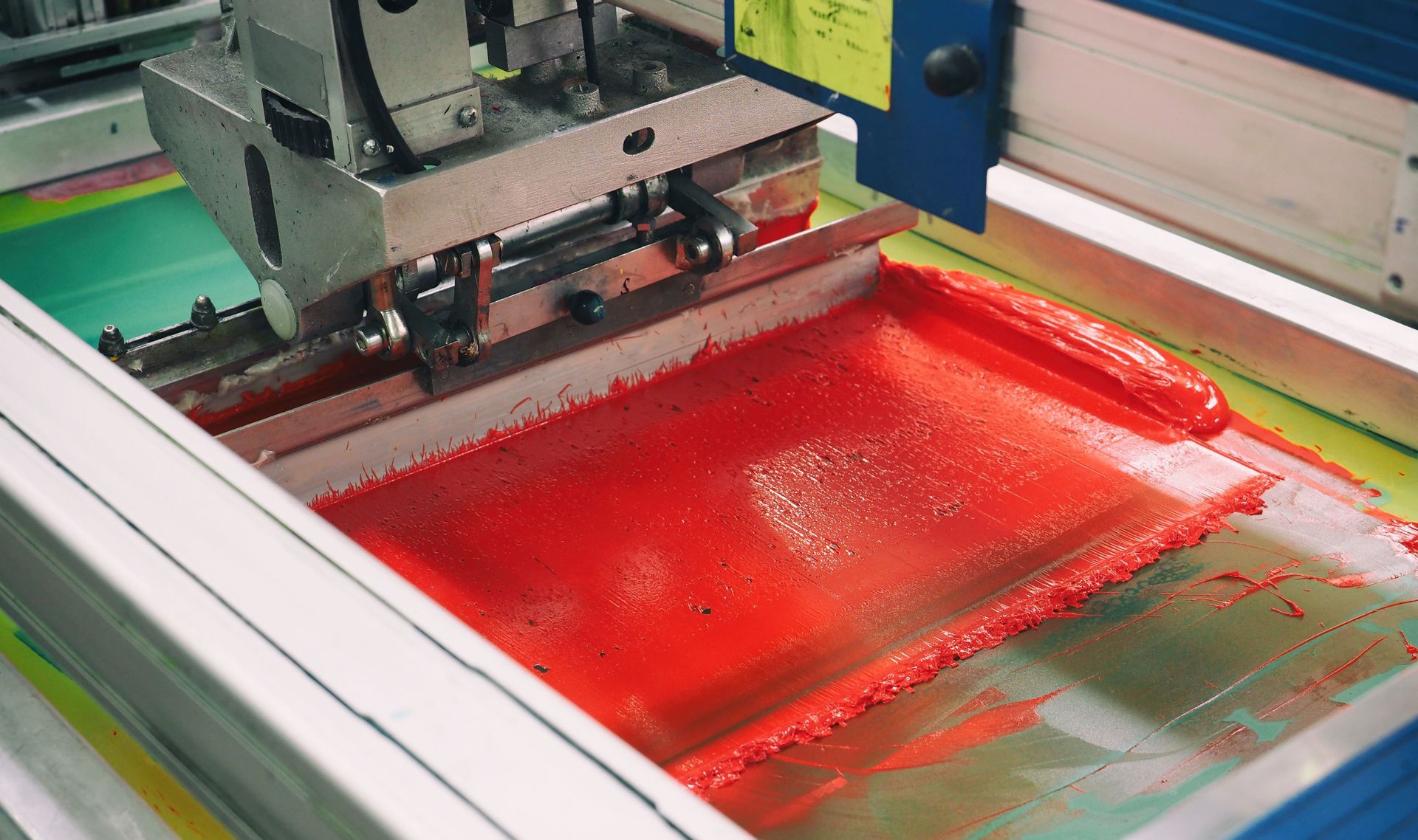
Commercial print shops utilize specialized tools like platens, precision squeegees, and conveyor dryers to maintain uniform quality across large garment quantities. Platens hold garments perfectly still during printing, while mechanical squeegees push liquid ink smoothly through open stencil areas with balanced pressure. Conveyor dryers cure ink layers at precise temperatures to ensure long-term wash durability. Learning basic industry concepts allows clients to communicate effectively with print managers, choose appropriate decoration methods, and achieve crisp artwork reproduction across entire order lots.
2. Prepare Clean Artwork
Providing clean graphic artwork represents one of the most critical steps in working successfully with a commercial print vendor. Low-resolution images downloaded from mobile devices or basic websites lack the fine detail necessary for crisp stencil exposure. Professional print operators require high-resolution vector files built using dedicated graphic design software to ensure sharp graphic lines and clean typography. Supplying proper vector formats allows graphic design teams to separate colors cleanly, scale images accurately, and prepare precise film positives for screen exposure.
Minimizing design complexity also streamlines commercial apparel production while ensuring bold visual clarity on finished garments. Each distinct color in a design requires a separate physical screen, so simplifying color schemes keeps setup requirements manageable. Clear visual contrast between garment fabrics and graphic inks ensures your brand identity stands out prominently on athletic jerseys, team apparel, or corporate wear. Reviewing digital artwork proofs carefully before production approval prevents visual errors and guarantees that finished apparel matches your organizational vision.
3. Select Proper Substrates
Selecting compatible garment fabrics determines how finished prints look, feel, and perform during daily wear. Heavy cotton t-shirts absorb ink differently than lightweight synthetic polyester or performance blend athletic shirts. Professional print teams guide clients toward apparel fabrics that complement specific screenprinting ink formulations, ensuring soft hand feels on casual shirts or rich opacity on dark sweatshirts. Relying on professional advice prevents fabric scorching, dye migration, and improper ink adhesion during commercial heat curing processes.
Beyond wearable apparel, professional print providers offer visual decoration solutions across diverse promotional products and signage items. Matching graphic designs across t-shirts, embroidered jackets, and yard signs creates a cohesive brand presentation for community events or business marketing. Experienced print managers understand which material blends work best for custom screenprinting applications, helping buyers select durable items that maintain visual appeal over time. Making informed garment choices guarantees long-term satisfaction for sports leagues, schools, and corporate groups alike.
4. Plan Order Schedules
Successful custom apparel projects rely on realistic production timelines and clear scheduling parameters from the start. Commercial garment manufacturing involves multiple sequential steps, including artwork verification, film burning, screen exposure, color mixing, press setup, and final quality inspection. Rushing through design preparation or delaying proof approvals can create production bottlenecks that jeopardize hard event deadlines. Establishing clear delivery expectations early in the consultation process allows print shops to execute each production phase with total accuracy.
Planning seasonal apparel needs well in advance ensures seamless order fulfillment during busy league launches or holiday promotional periods. Providing clear order quantities, garment size breakdowns, and delivery requirements allows production managers to reserve press time and order blank apparel inventory promptly. Organized planning eliminates last-minute artwork revisions and keeps custom screenprinting projects moving systematically through production channels. Establishing structured order schedules leads to stress-free project execution and consistent product quality across every batch.
5. Combine Complementary Services
Leveraging full-service decoration capabilities enhances organizational branding across multiple product categories. Many custom apparel facilities offer integrated graphic design firm services, custom embroidery, tackle twill, and sign services alongside standard garment printing. Combining embroidered corporate polo shirts with screenprinted event t-shirts and outdoor promotional banners unifies your brand identity under one cohesive visual presentation. Working with a single multi-service vendor simplifies project management and ensures visual consistency across all branded assets.
Consolidating decoration services with one experienced provider streamlines communication and ensures strict visual standards across various substrates. Professional graphic design teams can adapt your primary logo for screenprinting on athletic wear while simultaneously digitizing it for high-density embroidery on team jackets or headwear. This integrated approach saves administrative time, reduces shipping logistics, and maintains color accuracy across different media. Multi-service coordination maximizes branding impact for corporate entities and sports organizations operating in competitive environments.
6. Partner With Specialists
Relying on established commercial screenprinting specialists eliminates the stress, mess, and high failure rates associated with DIY home experiments. Professional print facilities invest in high-capacity equipment, controlled environmental conditions, and rigorous quality control protocols to deliver flawless garments. Dedicated print technicians inspect every item for proper registration, ink opacity, and complete curing before packaging orders for distribution. Partnering with seasoned industry experts guarantees that your custom apparel investments yield professional, durable, and eye-catching results every time.
Direct collaboration with dedicated project managers fosters long-term relationships built on open communication and consistent craftsmanship. Specialized print teams take time to understand your specific organizational goals, offering tailored guidance on garment styles, print placement, and artwork refinement. Choosing an established local production shop provides direct accountability, reliable customer service, and superior product consistency over amateur home printing efforts. Expert guidance ensures your branded merchandise accurately reflects your organization's commitment to quality.
Working with a professional print facility transforms custom apparel ordering into a seamless, enjoyable experience. Commercial production specialists have the training and tools to produce vibrant graphics, long-lasting garment durability, and stress-free order fulfillment. By preparing clean vector artwork, choosing compatible fabrics, and planning production timelines thoughtfully, organizations can achieve exceptional branding results across all promotional apparel, team wear, and signage projects.
Professional craftsmanship, in-house graphic support, and disciplined quality management ensure outstanding results for athletic teams, local businesses, and community groups. Avoid the frustration of home printing experiments and let commercial experts handle your next branding project with complete precision. Work with us at Dee's Sport Shop to bring your custom screenprinting projects to life today.