October 23, 2026
Screenprinting is a popular method for transferring designs, logos, and artwork onto clothing and other materials. Businesses, sports teams, schools, and organizations frequently use this technique to create customized apparel for promotions, events, uniforms, and everyday wear. Although finished designs may appear simple, production involves several carefully coordinated steps. From preparing artwork and creating screens to applying ink and curing the finished design, each stage contributes to the final appearance and durability. A professional screenprinting service can help customers choose appropriate materials, colors, and designs for their projects.
1. Understanding the Basics of Screenprinting
Screenprinting is a technique that uses a mesh screen, a stencil, and ink to transfer an image onto a surface. The stencil blocks certain areas of the screen while leaving the intended design open. During printing, ink is pushed through these openings onto the material underneath. This process allows printers to reproduce artwork with consistent shapes, colors, and placement across multiple items. Screenprinting is commonly associated with T-shirts, but it can also be used on sweatshirts, bags, and other suitable products.
One distinguishing characteristic of screenprinting is its ability to produce bold, opaque designs on many fabric colors. Different inks and printing techniques create various appearances, from smooth graphics to textured finishes. According to WifiTalents, roughly 80% of apparel companies incorporate screen printing into some portion of their manufacturing operations. This widespread use reflects the technique's established role in apparel customization. Understanding these principles helps customers recognize how printed designs are created and why production requirements vary between projects.
2. Preparing Artwork for the Printing Process
Every screenprinting project begins with artwork that can be translated into a printable design. Customers may provide company logos, team names, illustrations, or promotional graphics. Before production, the artwork must be reviewed for resolution, dimensions, colors, and clarity. Designs containing small text, intricate details, or complex color transitions may require adjustments to reproduce effectively. Preparing artwork correctly helps prevent printing problems and supports consistent results.
A professional screenprinting service can help customers determine whether their artwork is suitable for the intended garments and printing method. Vector graphics are often useful because they can be resized without losing sharpness. Raster images may also work when their resolution is sufficient. Printers may separate artwork into individual colors and prepare registration marks for accurate alignment. This preparation establishes the foundation for production and helps ensure the final design meets customer expectations.
3. Creating Screens for Individual Colors
After preparing the artwork, the next step involves creating the screens used to transfer ink. A screen consists of tightly stretched mesh secured within a frame. Printers coat the mesh with a light-sensitive emulsion and allow it to dry under controlled conditions. The artwork is positioned against the coated screen and exposed to light. Areas protected by the design remain removable, while exposed emulsion hardens and forms the stencil.
Once exposure is complete, the printer washes away the unhardened emulsion to reveal openings corresponding to the artwork. The screen is then inspected and prepared for printing. Multicolor designs generally require separate screens for each printed color, although specialized techniques can produce more complex effects. A screenprinting service must carefully prepare these stencils because imperfections can affect every item in an order. Accurate preparation supports clean edges, consistent ink placement, and reliable production.
4. Selecting Appropriate Inks and Materials
The choice of ink influences how a printed design looks, feels, and performs over time. Plastisol inks are commonly used in apparel screenprinting because they produce vibrant colors and maintain their appearance when properly cured. Water-based inks offer different characteristics and may create a softer feel on suitable fabrics. Specialty inks can produce raised textures, metallic appearances, or other decorative effects. Each option has particular application and curing requirements.
Fabric selection matters just as much as ink selection. Cotton, polyester, and blended materials may respond differently to heat, ink, and printing conditions. Dark garments sometimes require an underbase to help colors appear more vibrant. Customers should consider how the apparel will be worn and maintained. A knowledgeable screenprinting service can explain available ink options and recommend combinations suited to the intended products. Matching materials and inks helps create designs that meet appearance and performance expectations.
5. Applying Ink Through the Prepared Screens
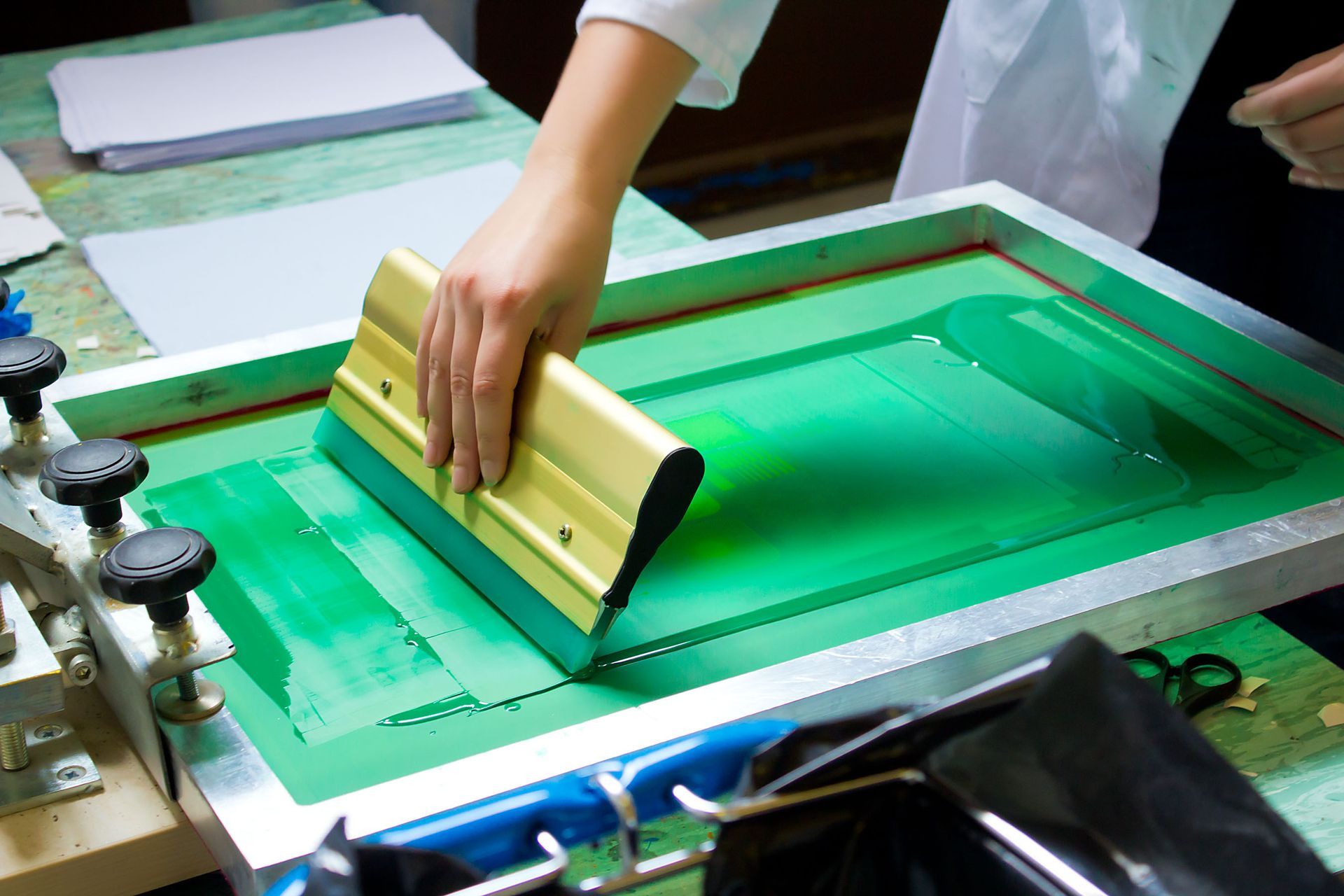
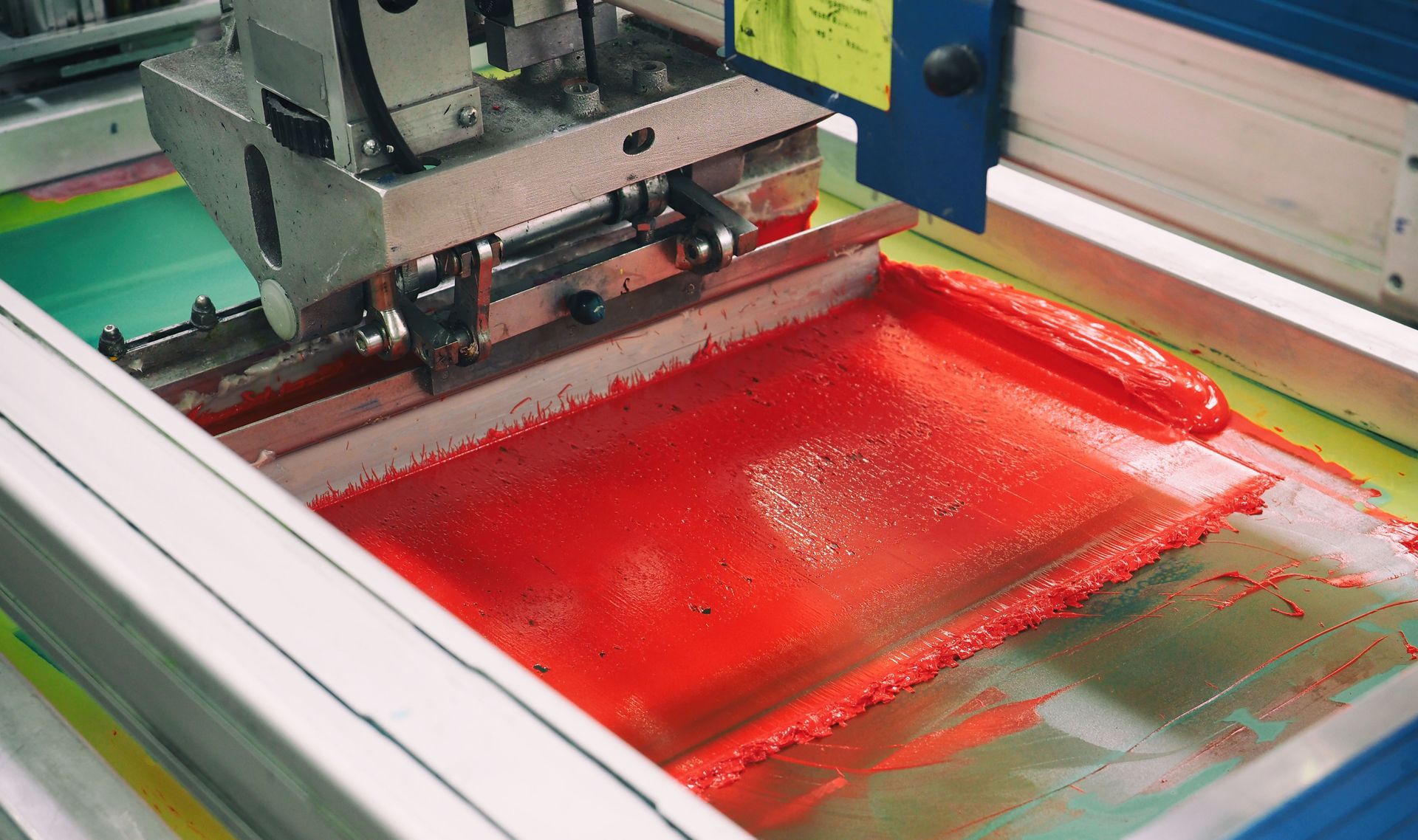
Once the screens and materials are ready, printing can begin. The garment is positioned on a printing platen, which holds it steady during application. The prepared screen is aligned over the printing area, and ink is placed along its surface. A tool called a squeegee moves across the mesh, applying pressure that pushes ink through the stencil openings and onto the fabric underneath.
For multicolor artwork, the printer repeats this process using additional screens. Precise registration keeps different colors aligned, preventing unwanted gaps or overlapping edges. Some designs require intermediate drying between applications to prevent wet inks from mixing. Professional operators monitor ink coverage, pressure, and placement throughout production. These details influence whether the finished artwork appears sharp and consistent. Careful application is particularly important when printing matching garments for teams, employees, or organized events.
6. Curing the Ink for Lasting Results
Applying ink is not the final step in creating a durable printed design. Most apparel inks require curing, which involves controlled heat or another specified process that allows the ink to achieve its intended performance. Depending on the ink type, curing may occur in a conveyor dryer or with other suitable equipment. Proper curing helps the design withstand normal handling, stretching, and laundering without premature deterioration.
Temperature and exposure time must follow the ink manufacturer's specifications. Insufficient curing can lead to cracking, peeling, or fading, while excessive heat may damage certain fabrics. A professional screenprinting service monitors curing conditions and may perform tests to verify results. Customers can preserve printed apparel by following garment care instructions. Understanding curing explains why screenprinting requires more than transferring ink onto fabric and allowing it to dry.
7. Inspecting Finished Products for Consistency
Quality control helps ensure completed garments meet expectations established during artwork preparation. Printers may inspect items for accurate design placement, consistent colors, complete ink coverage, and printing defects. Common concerns include misaligned colors, uneven ink deposits, or unwanted marks outside the intended artwork. Identifying these problems before packaging allows the production team to address issues when possible.
Consistency becomes especially important when producing apparel for sports teams, businesses, and organizations. Customers expect every shirt or sweatshirt to display the same logo and maintain a coordinated appearance. A reliable screenprinting service can establish production standards and review completed items before delivery. Clear communication about garment sizes, colors, quantities, and design placement also reduces ordering mistakes. Careful inspection supports a dependable experience for customers purchasing customized merchandise.
8. Choosing Screenprinting for Custom Apparel Projects
Screenprinting offers several advantages for projects requiring repeated designs on multiple garments. Once screens are prepared, printers can reproduce the same artwork efficiently across an order. This makes the technique practical for team uniforms, employee apparel, promotional merchandise, and event clothing. Bold graphics and consistent color reproduction also make screenprinting useful for designs intended to remain recognizable from a distance.
However, the most suitable printing method depends on project requirements. Orders involving numerous colors, photographic images, or very small quantities may benefit from alternative customization techniques. Setup requirements, garment materials, and production schedules can influence the decision. Consulting a professional screenprinting service helps customers compare available options and understand how design complexity affects production. Choosing an appropriate method from the beginning supports better planning and helps ensure finished apparel serves its intended purpose.
Screenprinting is a versatile customization method that combines artwork preparation, stencil creation, ink application, curing, and quality inspection to produce printed designs. Each stage contributes to the appearance, consistency, and durability of the finished product. Understanding the process helps customers make informed decisions about artwork, garment materials, ink options, and order quantities. Whether creating uniforms for a sports team, promotional clothing for a business, or personalized apparel for an event, careful preparation and professional production can make a difference. Working with experienced printing professionals helps customers navigate design requirements and select suitable customization options. If you are planning a custom apparel project and want assistance bringing your ideas to life, contact Dee's Sport Shop today.